
We carry out environmental sustainability and assimilation studies in a unique and scientific manner to determine the environmental sustainability and assimilation capacity of a region in terms of pollutants, GHG emissions, global warming potential (GWP), and ozone depletion potential. Our expert team conducts detailed analyses to evaluate the environmental carrying capacity and develop effective mitigation strategies. As part of our Environment Sustainability Service in India, we also assess and quantify the Carbon Footprint, Water Footprint, and Ecological Footprint of organizations and projects. Additionally, we prepare sequestration plans, Clean Development Mechanism (CDM) projects, and sustainability roadmaps to promote eco-friendly and low-carbon development.

Climate Change and Sustainability
- Climate change and Sustainability studies including Life Cycle Assessment (used to identify different applications viz. LCA, Life Cycle Costing (LCC); Social Life Cycle Assessment (S-LCA); emissions trading and greenhouse gas inventories etc.).
Carbon & Water Foot Print
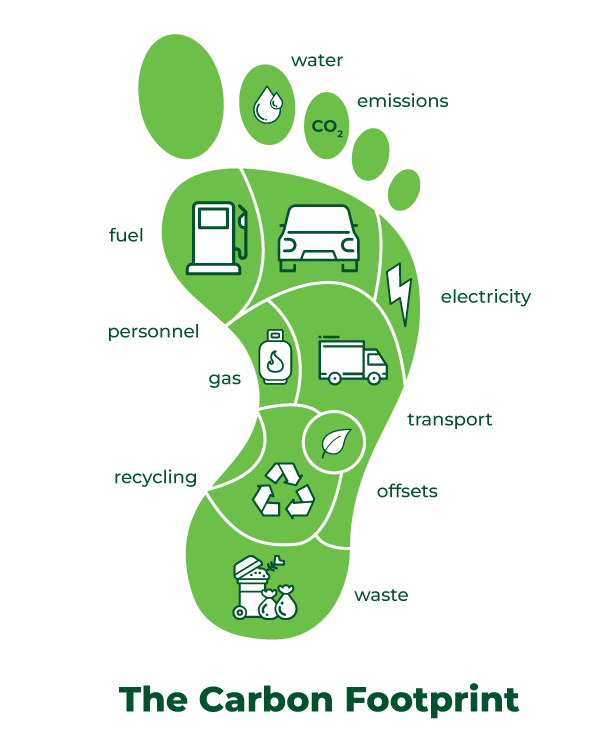
- Carbon footprint (CF) and water footprint (WF) concepts were introduced about a decade ago, simultaneously, but independently from one another. The Carbon footprint arose out of the debate on climate change, as a tool to measure GHG emissions.
- The water footprint was introduced in the field of water resources management, which act as a tool to measure water use in relation to consumption patterns.
- Carbon Footprint: Measures the emission of gases that contribute to global warming.
- Water Footprint: Measures the consumption and contamination of freshwater resources. It is also an indicator of freshwater use that shows direct and indirect water use of a producer or consumer.
- To reduce water pollution and manage industrial discharge effectively, BESPL offers advanced Waste Water Treatment Plants in India designed for sustainable water management and reuse.
Ecological Foot Print
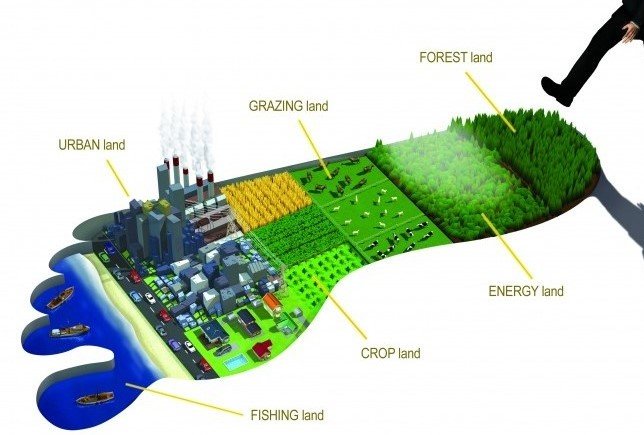
- Ecological Footprint: Measures the use of bio-productive space
- The ecological footprint was becoming a valuable index for measuring the pressure of the human beings on the biosphere. It also helps to understand the number of resources we use and the emissions we produce to support our lifestyle. The comparison between the rates obtained for each country can distinguish those who have a lighter ecological footprint, which contribute little to threaten the environmental destruction, and those who have a heavier footprint, with a strong negative impact on the sustainability of our civilization.
- Ecological footprint measures the pressure on natural resources due to population consumption and life style. It estimates the biologically productive area required to provide the natural resources we use in our daily life: the resources used in the house we live in, the furniture and objects, clothes, transportation that we use, what we eat, what we do at leisure and to absorb carbon dioxide emissions.
Environmental Carrying Capacity & Assimilative Capacity
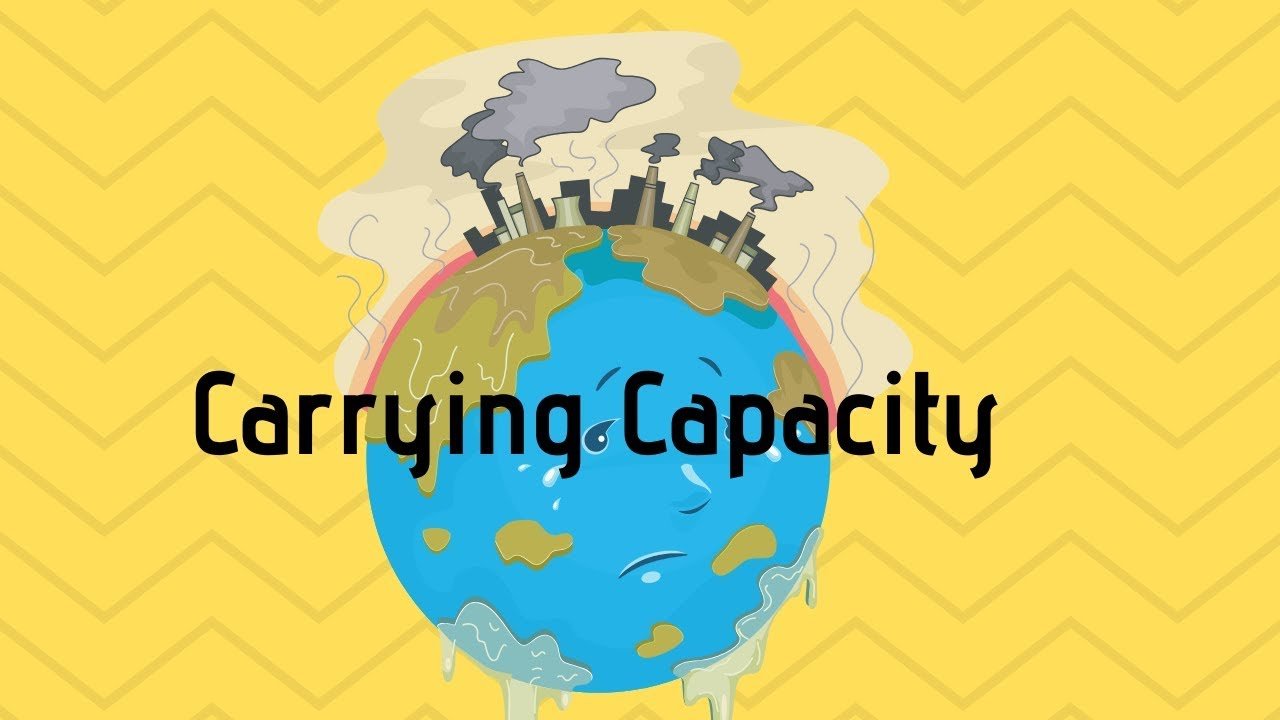
- The environmental carrying capacity consists of the ability to support human life (supportive capacity) and the ability to accept pollution load- assimilative capacity).
- A Calculation of environmental carrying capacity is required to determine the limits of a region's capacity to support population activities, such as natural resource consumption and waste discharge into nature.
We would be happy for furnishing our EHS assistance
at any steps of your sustainable development journey.
Get Answers
FAQs about Environment Sustainability Service in India
-
Q1. What is included in the Environment Sustainability Service in India?
The Environment Sustainability Service in India includes sustainability and assimilation studies, carbon and water footprint assessments, ecological footprint analysis, environmental carrying capacity evaluation, and the development of mitigation strategies and sustainability roadmaps.
-
Q2. What is the purpose of conducting environmental sustainability and assimilation studies?
These studies help determine a region’s ability to handle pollutants, greenhouse gas emissions, and other environmental pressures, ensuring development occurs within sustainable limits.
-
Q3. How does a carbon footprint differ from a water footprint?
A carbon footprint measures greenhouse gas emissions contributing to global warming, while a water footprint assesses the amount and quality of freshwater used or polluted during production and consumption processes.
-
Q4. What does an ecological footprint measure?
The ecological footprint measures the biologically productive land and water area required to provide the resources humans use and to absorb the carbon dioxide emissions they produce.
-
Q5. Why is environmental carrying capacity important?
Understanding environmental carrying capacity helps identify the limits of a region’s ability to support human activities and absorb pollution, guiding sustainable resource use and development planning.
-
Q6. What are the main features of your Environment Sustainability Service in India?
Our service includes comprehensive sustainability and assimilation studies, carbon and water footprint assessments, ecological footprint analysis, environmental carrying capacity evaluations, sequestration plans, Clean Development Mechanism (CDM) projects, and sustainability roadmaps tailored for eco-friendly and low-carbon development.
-
Q7. How does your service benefit organizations and projects in India?
By identifying environmental risks and developing mitigation strategies, our service helps organizations reduce emissions, manage resources efficiently, and achieve compliance with sustainability standards. It also enhances brand reputation and supports long-term cost savings through efficient energy and resource use.
-
Q8. What is the process involved in conducting sustainability and assimilation studies?
Our expert team conducts detailed analyses to evaluate a region’s environmental carrying capacity and pollution assimilation ability. The process includes assessing greenhouse gas emissions, water and carbon footprints, and ecological pressures, followed by the development of customized sustainability strategies.
-
Q9. Are the Environment Sustainability Services cost-effective?
Yes, our services are designed to deliver long-term value. By identifying areas for efficiency and resource optimization, clients often see a significant reduction in operational costs and environmental liabilities, making the investment both practical and sustainable.
-
Q10. What guarantees or assurances do you provide with your Environment Sustainability Service in India?
We ensure scientific accuracy, compliance with environmental standards, and actionable sustainability solutions. Our approach guarantees measurable results through detailed assessments, expert analysis, and continuous support for implementing sustainable practices.
